Structural Styles & Settings Explained
Finding the perfect ring begins with understanding how its framework behaves on the hand. A setting does not just hold a diamond, it dictates how the light hits the stone, how it pairs with a wedding band, and how well it stands up to daily wear.
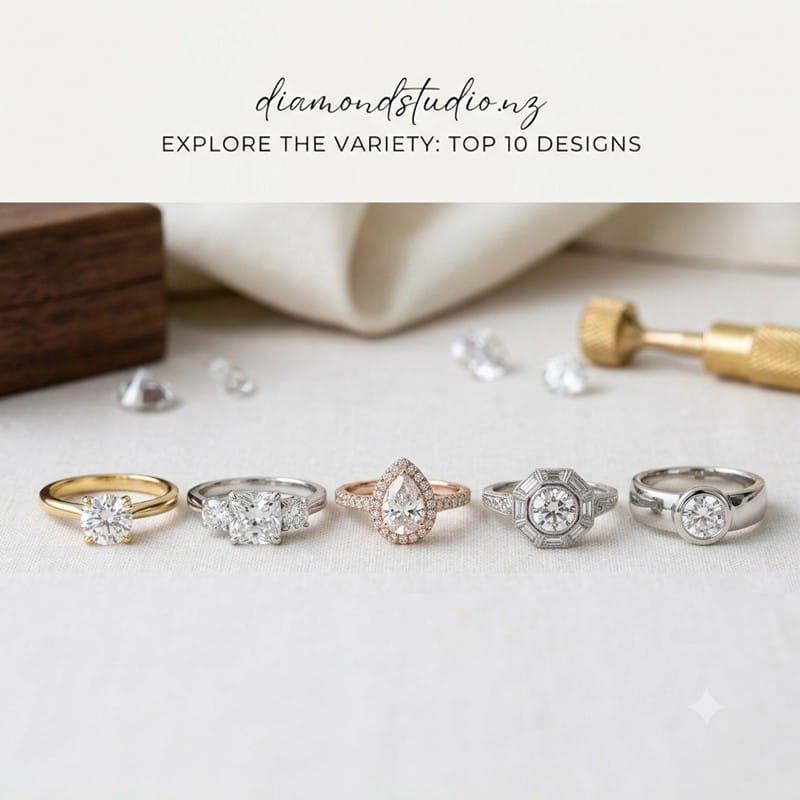
As bespoke manufacturing jewellers, we see dozens of variations come through our Mairangi Bay workshop. Here is our master craftsman’s deep dive into the top 10 foundational engagement ring designs, detailing the architectural balance between aesthetics and durability.
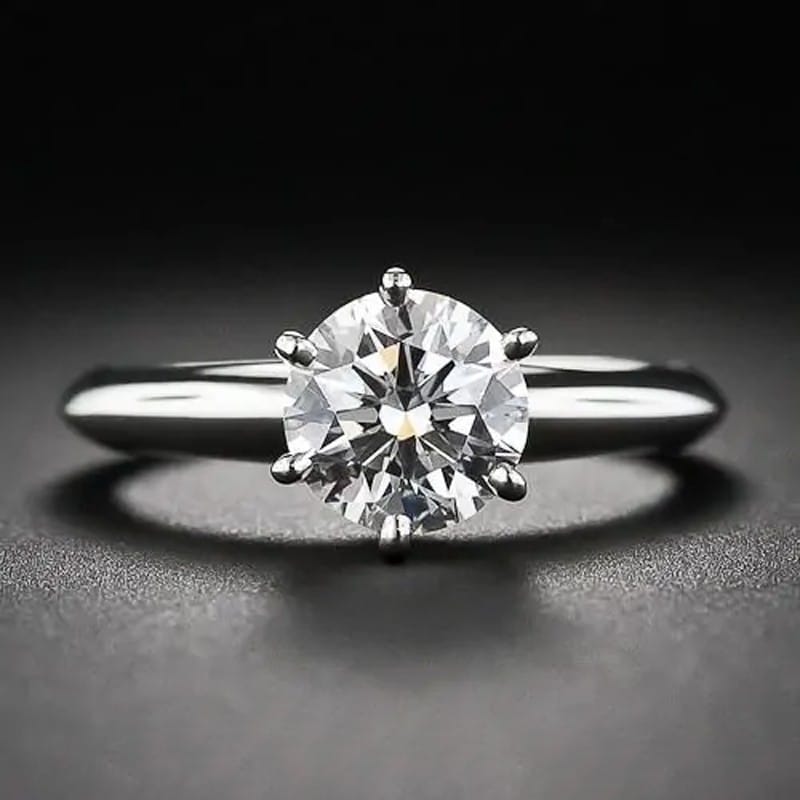
1. The Classic Plain Band Solitaire
The absolute benchmark of minimalist design. By keeping the band entirely smooth and highly polished, all visual focus is driven directly up to the centre stone.
Craftsman’s Note: A 6-claw setting offers a rounder silhouette and superior safety; if one claw catches and pulls open, the remaining five will still hold your diamond secure.
The Architecture: The shank (band) tapers as it approaches the head to make the diamond look visually larger. Usually constructed with a 4 or 6-claw setting.
Best For: Traditionalists who want timeless elegance and the flexibility to pair it with any style of wedding or eternity band.
2. The Micro-Pave Band Solitaire
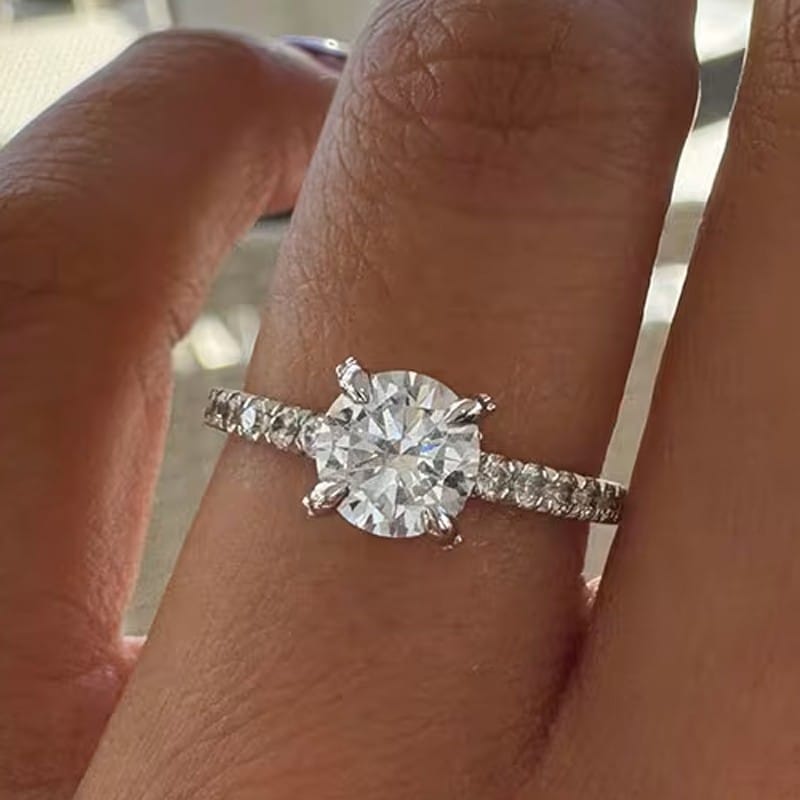
For those who love the classic solitaire silhouette but want continuous sparkle from every single angle.
Craftsman’s Note: Because the metal walls securing these accent stones are incredibly fine, micro-pave shanks require gentle everyday care and are less suited to heavy manual work.
The Architecture: Tiny, brilliant-cut diamonds are set directly into the surface of the metal band, held by miniature beads of gold or platinum (often called a “fishtail” setting).
Best For: Individuals looking to maximise light reflection across the entire top surface of the finger.
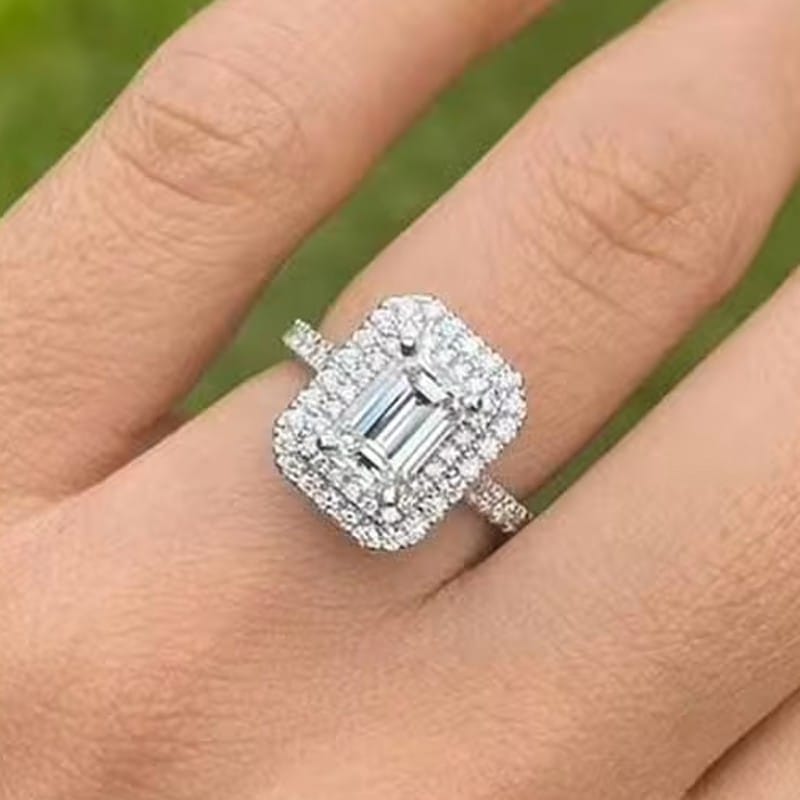
3. The Classic Seamless Halo
The master of visual illusion. A halo encircles the centre gemstone with a compact border of smaller accent diamonds, blending them seamlessly to create a much larger footprint.
Craftsman’s Note: A “seamless” halo means the gap between the centre stone and the frame is completely minimised. Precision stone-setting here is vital to keep dirt from lodging beneath the girdle.
The Architecture: Can be tailored to match any diamond shape, whether brilliant round, princess, or emerald cuts. A double halo takes this a step further for dramatic impact.
Best For: Maximising the visual impact and surface area of a centre diamond on a modest budget.
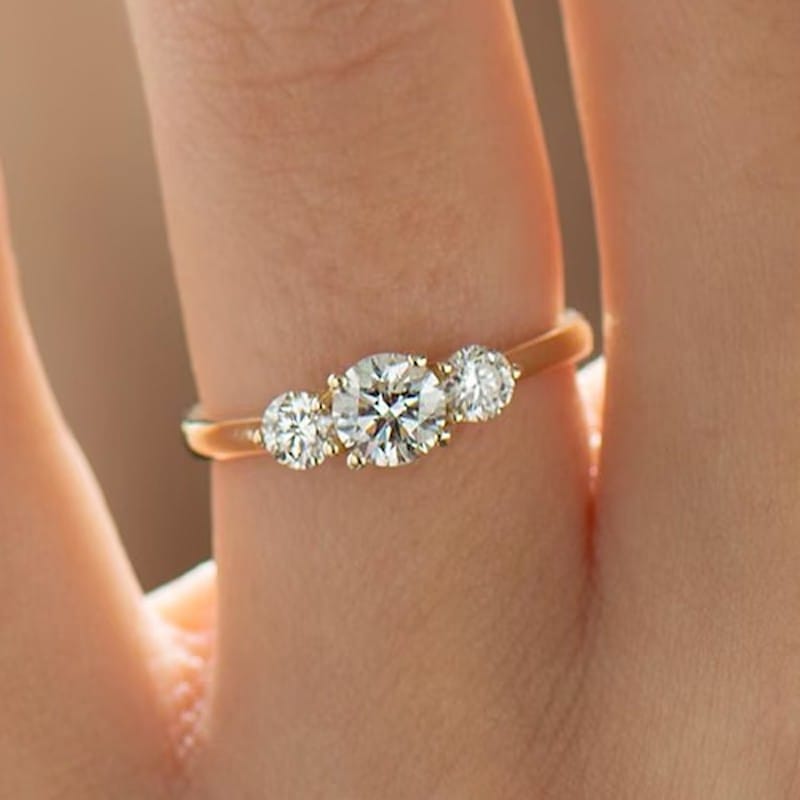
4. The Three-Stone Trilogy Ring
Representing a beautiful narrative, traditionally symbolising a couple’s past, present, and future together.
Craftsman’s Note: Choosing the right proportions for the side stones is an art form. If they are too large, they compete with the centre; if they are too small, the design looks disjointed.
The Architecture: Features a larger centre stone flanked by two balanced side stones. These can be matching rounds, tapering baguettes, or elegant pear shapes that sweep downward toward the finger.
Best For: Excellent finger coverage. This style spreads the sparkle horizontally across the hand, making it highly visible from a distance.
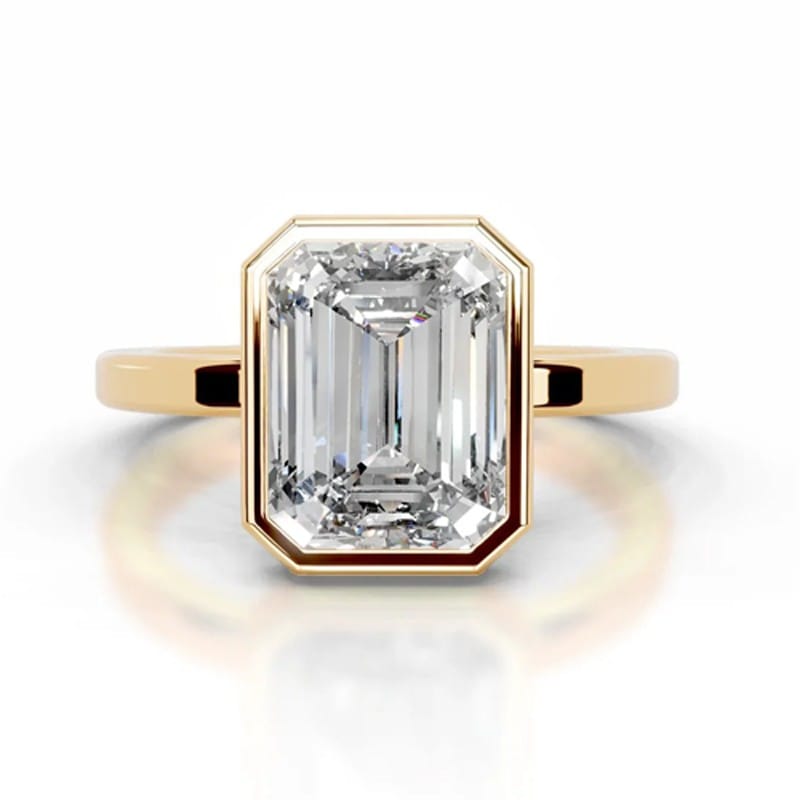
5. The Modern Full Bezel
A sleek, industrial, and hyper-modern aesthetic that offers the ultimate level of protection for an active lifestyle.
Craftsman’s Note: While a bezel does enclose the sides of the stone, a well-cut diamond reflects light from its top facets (the table). A masterfully crafted bezel will actually amplify the outline of the stone, making shapes like emerald cuts look incredibly striking.
The Architecture: Instead of claws, a continuous, solid lip of precious metal is rolled entirely over the outer edge (girdle) of the diamond, locking it firmly into place.
Best For: Active individuals, healthcare professionals, or anyone worried about catching claws on clothing or equipment.
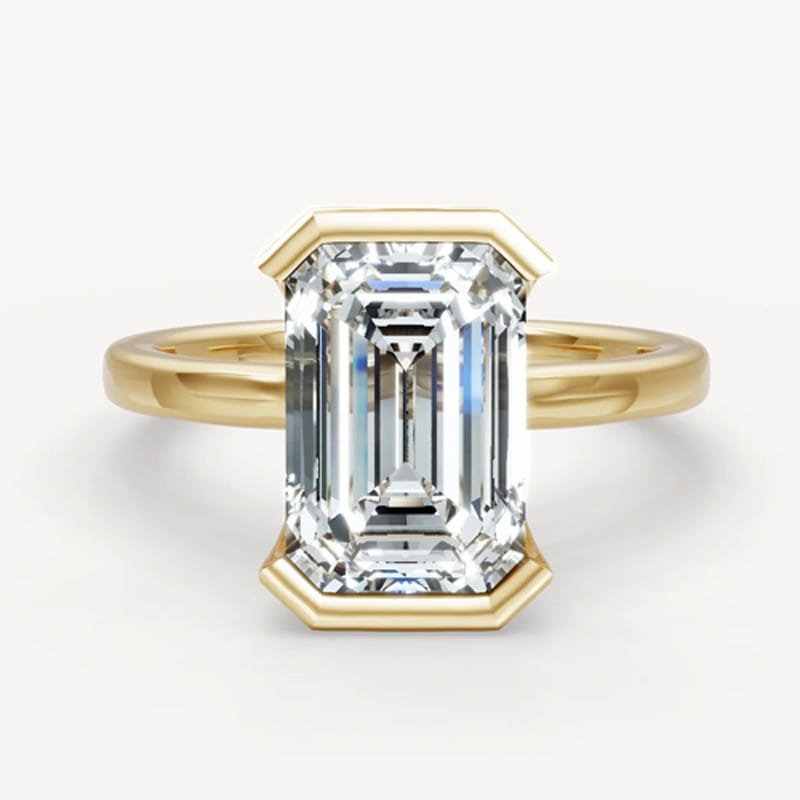
6. The Half Bezel / Semi-Bezel
The perfect architectural middle ground between open claws and a completely enclosed setting.
Craftsman’s Note: This setting requires precise alignment. Because two sides are open, the stone must be seated perfectly level in the custom channel to guarantee long-term stability.
The Architecture: Precious metal wraps around two opposing sides of the diamond (such as the top and bottom or left and right), leaving the remaining flanks completely open to natural light.
Best For: Those who love clean, geometric lines but still want maximum light entering the sides of their diamond.
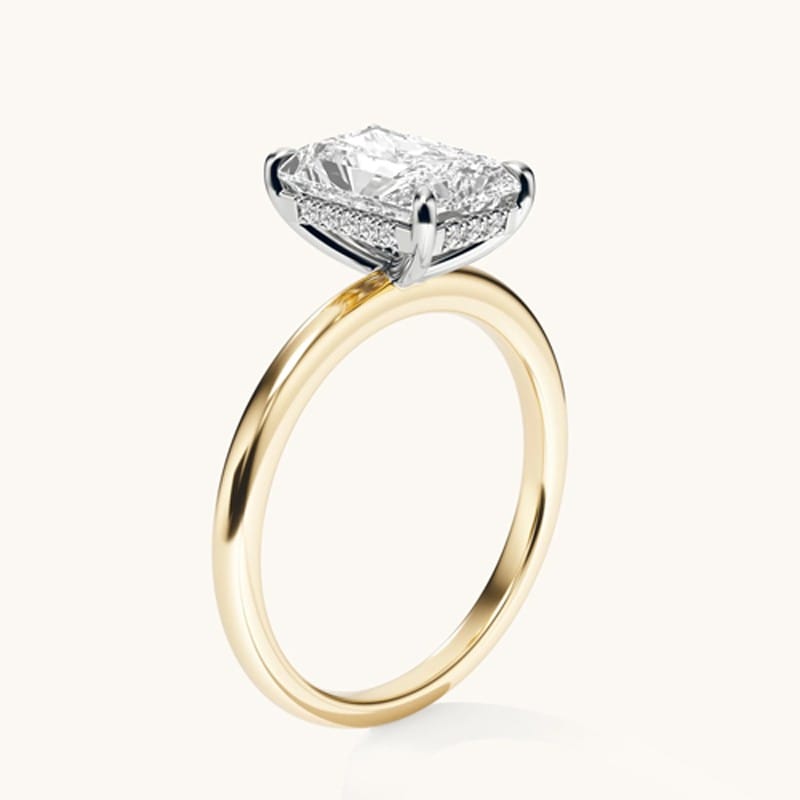
7. The Profile Hidden Halo
A modern, understated detail designed for the wearer’s view rather than the crowd.
Craftsman’s Note: Because a hidden halo raises the structural head slightly to clear the accent stones, it is crucial to ensure the setting doesn’t sit too high off the finger, keeping it balanced and wearable.
The Architecture: From directly above, the ring looks like a clean solitaire. However, looking at the profile view reveals a miniature ring of diamonds wrapped directly beneath the pavilion of the main stone.
Best For: Couples seeking a minimalist aesthetic with a secret, luxurious point of difference.
8. The Cathedral Setting
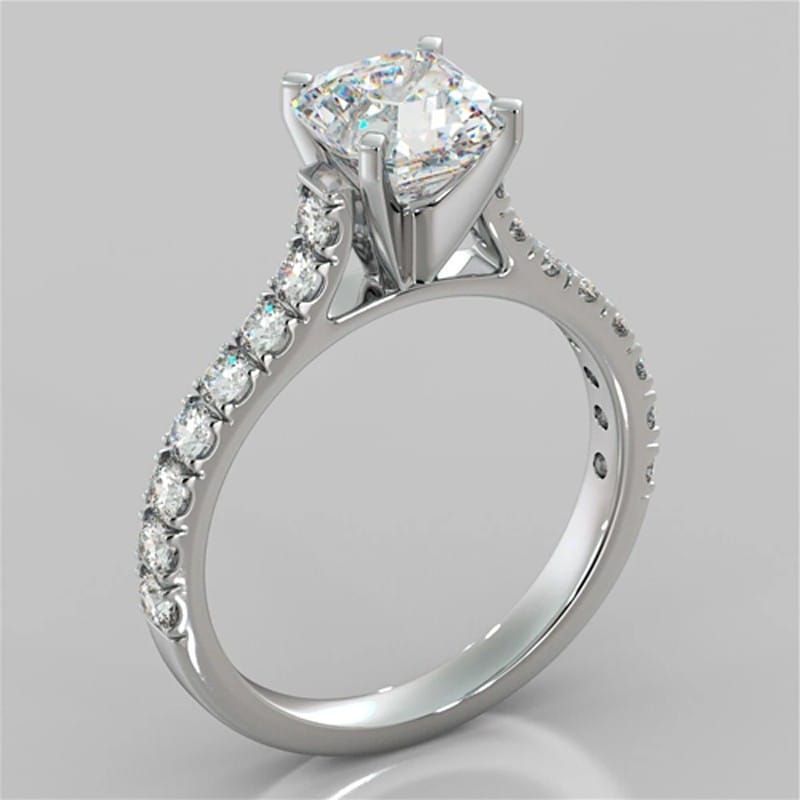
An elegant, regal framework inspired by the sweeping, graceful arches of gothic architecture.
Craftsman’s Note: Cathedral settings provide excellent structural integrity because the head is supported at multiple points rather than just standing on a singular narrow stem (a peg setting).
The Architecture: The shoulders of the metal band sweep dramatically upward to meet the setting head, physically cradling the main diamond high above the finger line.
Best For: Adding structural height and presence to a ring, and ensuring a wedding band can sit completely flush alongside it.
9. The Vintage Milgrain and Art Deco Style
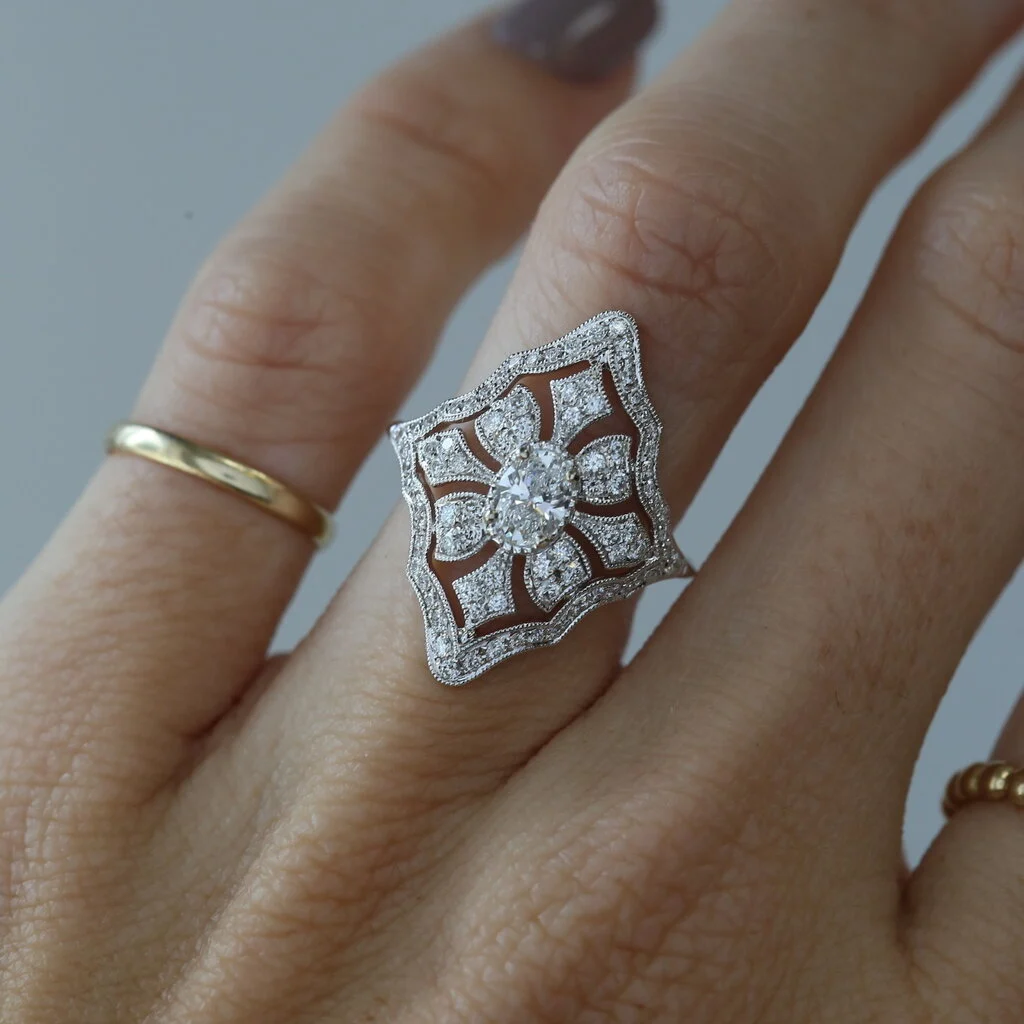
For those drawn to the romantic, intricate detailing of bygone eras, featuring geometric lines and delicate metalwork.
Craftsman’s Note: True vintage style is achieved through fine bench craftsmanship, not mass-produced casting. We execute these fine borders under magnification to ensure the crisp detailing lasts for generations
The Architecture: Characterised by hand-carved filigree, engraving, and “milgrain” (which translates to “a thousand grains”), a technique where tiny beads of metal are rolled along the edges of the setting.
Best For: Lovers of unique, antique aesthetics who want a ring that feels like an inherited heirloom from day one.
10. The Split Shank Solitaire
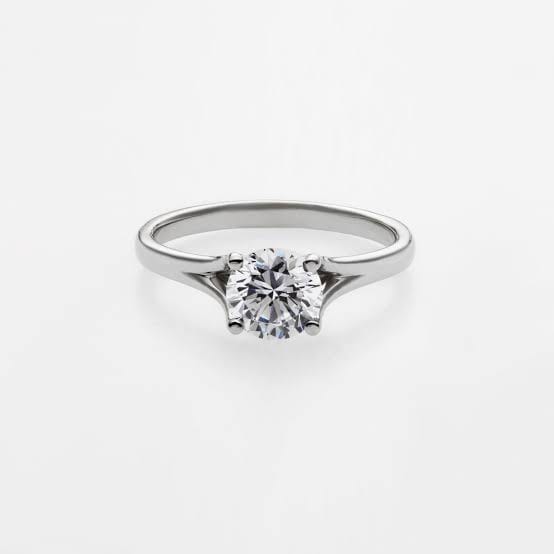
A dynamic design that introduces negative space to add fluid movement and visual width to a ring.
Craftsman’s Note: The point where the band splits must be engineered carefully to preserve its structural strength, ensuring the ring doesn’t bend out of shape during everyday wear.
The Architecture: As the band moves up toward the diamond, it forks into two distinct strands, creating an open, graceful V-shape or twist that frames the centre setting.
Best For: Giving a ring a more substantial presence on the hand without making the band feel bulky or heavy.
The Verdict: Balancing Beauty and Longevity
When selecting your foundational design, think carefully about how it fits your day-to-day life:
| High-Protection Settings | High-Sparkle Settings | Intricate Detail Settings |
| • Modern Full Bezel (5) • Half Bezel (6) • Cathedral Arches (8) | • Micro-Pave Solitaire (2) • Seamless Halo (3) • Three-Stone Trilogy (4) | • Profile Hidden Halo (7) • Vintage Milgrain (9) • Split Shank Solitaire (10) |
A Note on Metal Choice: Whether you choose platinum, 18k white gold, or rich 18k yellow gold, the density of the metal plays an important role in claw wear over time. Platinum is highly durable and does not wear away when scratched, making it our top choice for intricate claw settings.
Ready to see these styles in person?
Nothing replaces trying these foundational frameworks on your own hand to see how they feel and balance.
Book a quiet design consultation at our Mairangi Bay workshop to look at loose stones and explore bespoke options designed entirely around you.